


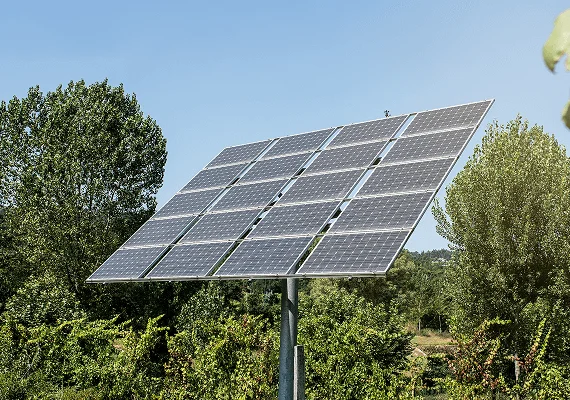
Solar energy works by capturing sunlight and converting it into electricity using photovoltaic (PV) cells. These cells are typically found in solar panels, which are installed on rooftops or open land with direct sun exposure. When sunlight hits the PV cells, it creates an electric field that generates a flow of electricity.
Understanding how solar energy works is essential for making informed energy decisions. Once the solar panels generate direct current (DC) electricity, it is converted into alternating current (AC) using an inverter. This AC electricity is then used to power homes and businesses. Any excess power can be stored in batteries or sent back to the grid, depending on the system setup.
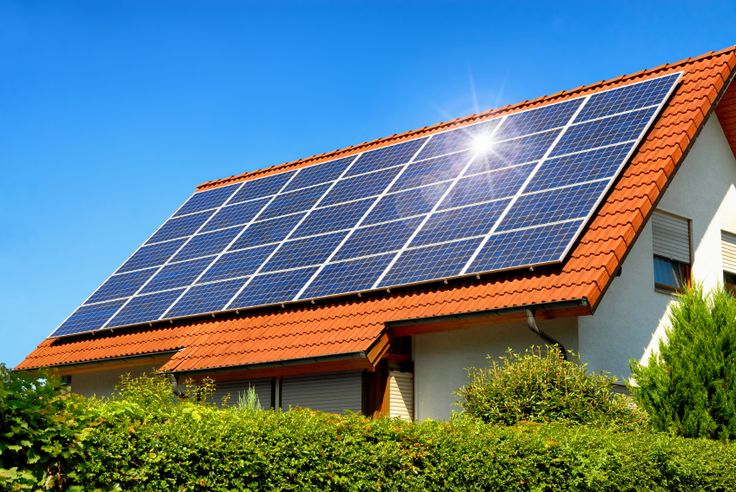
Photovoltaic (PV) systems are the core technology behind solar power generation. These systems consist of multiple solar panels that collect sunlight and generate electricity. The energy captured during daylight hours can be used immediately or stored for later use with advanced battery systems.
Inverters play a crucial role in solar energy systems by converting DC electricity from the panels into usable AC electricity for your home or business. With advancements in solar technology, PV systems are now more efficient, affordable, and easier to install than ever before.



 More Bolog
Understanding the basics of solar energy can empower you to make informed.
 Surya Prakash